
Our Lower Elementary Program at a Glance


Grades
1 – 2

Class Size
12 students; 6:1 ratio

Schedule
Full school day, Monday–Friday

Outdoors
Weekly off-campus day; 1.75+ hrs daily, integrated into learning

Learning
Skill-building through exploration

Support
Consistent educators & daily rhythm

A Hands-On, Human-Centered Education for Grades 1–2
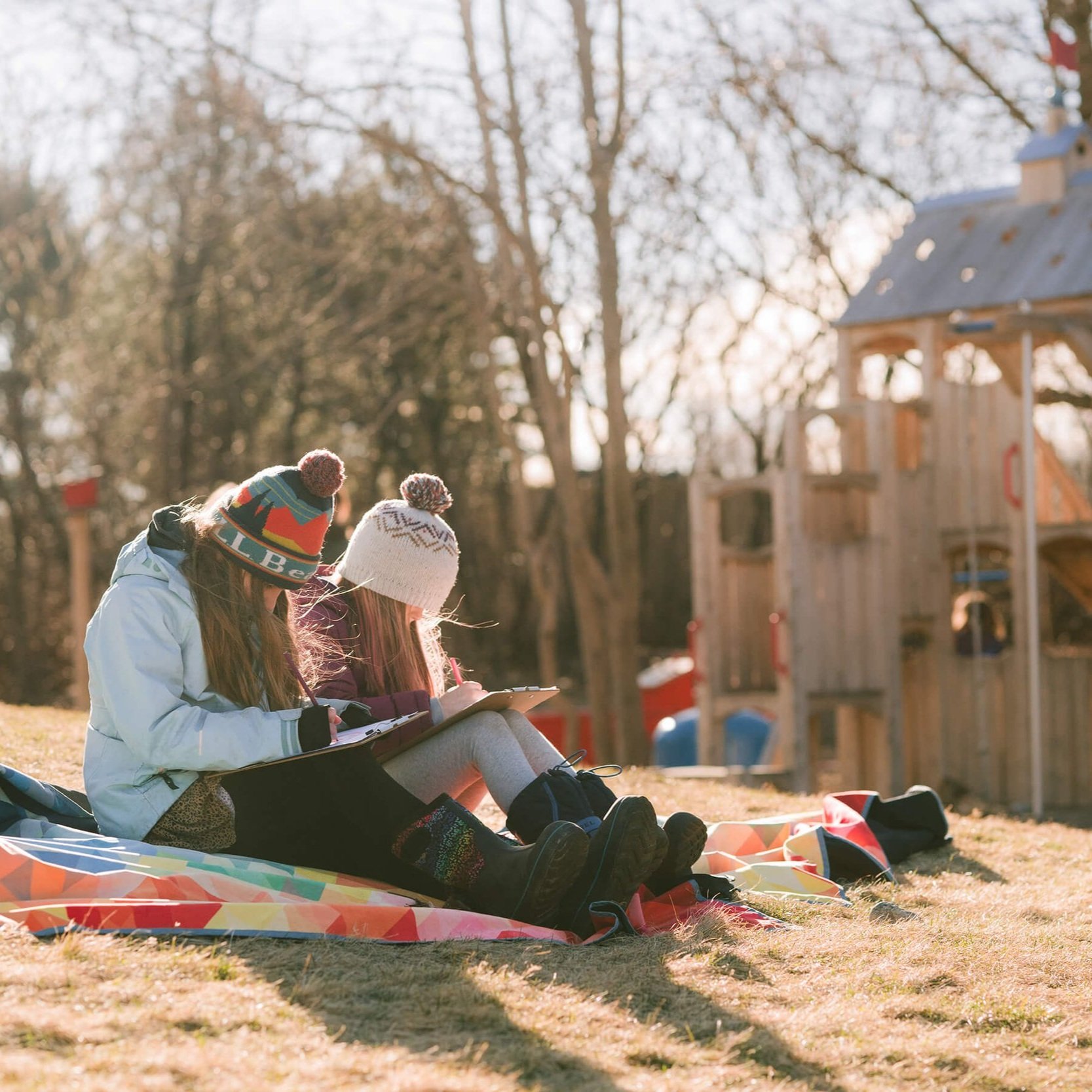
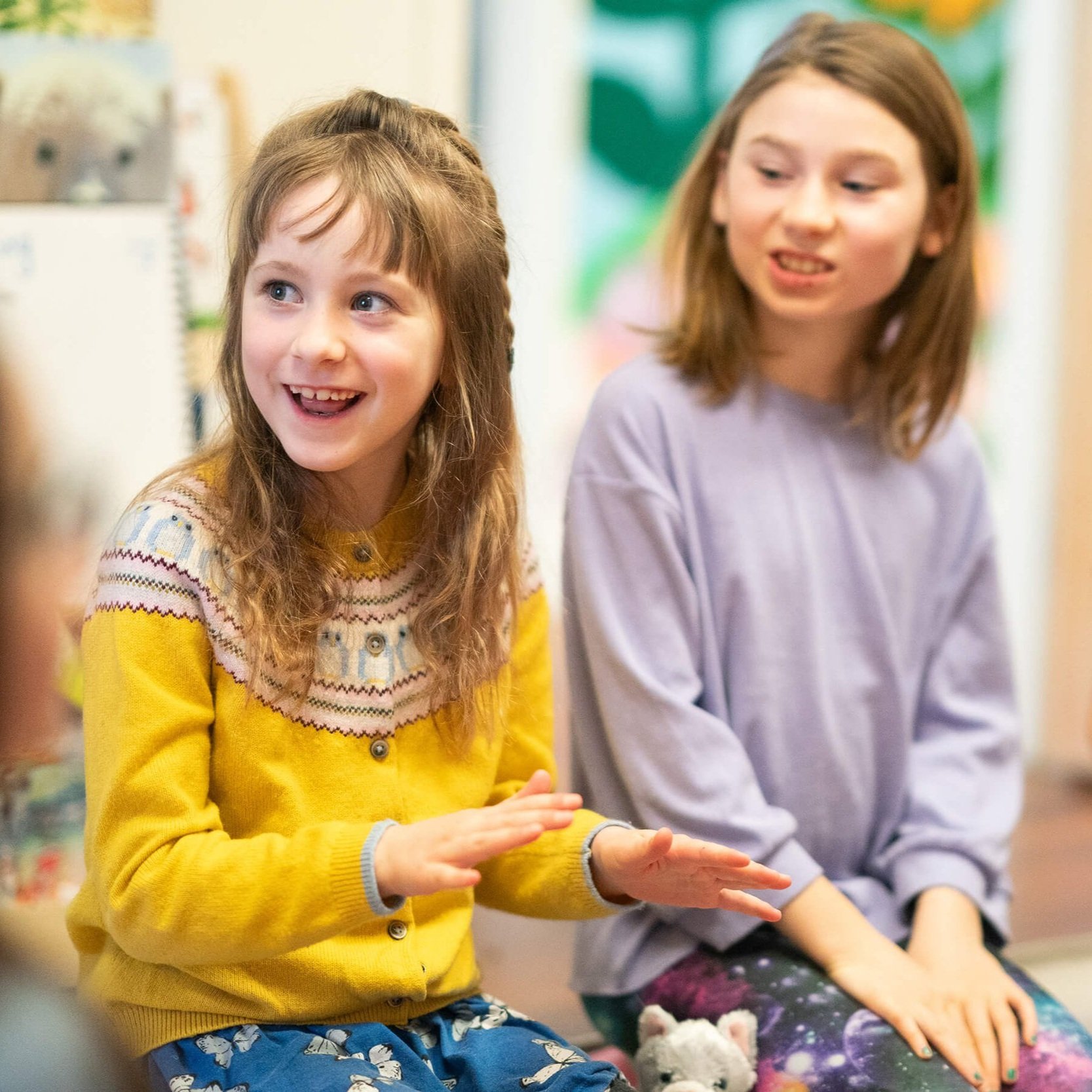
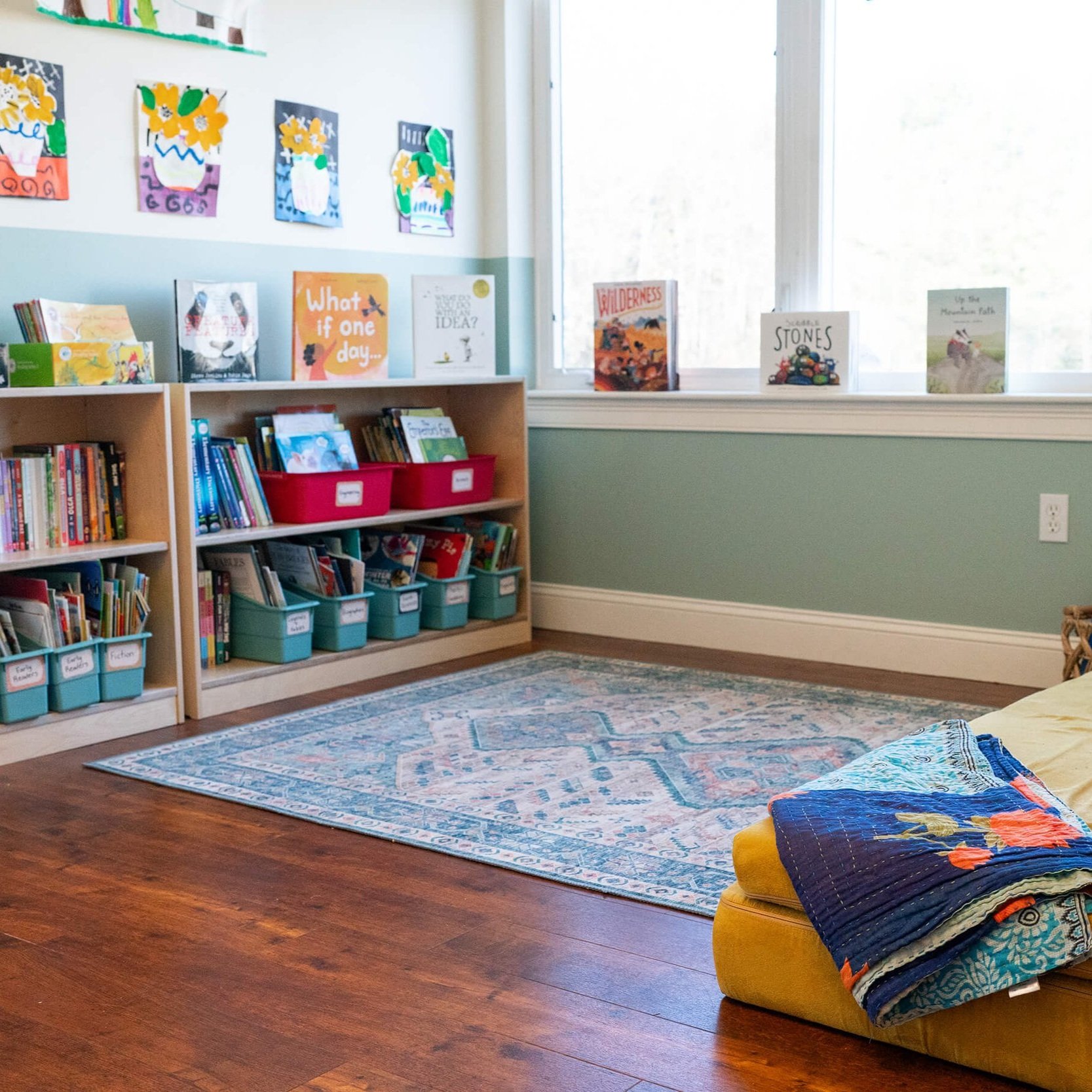
While we outline the components of our curriculum below, learning in our Lower Elementary program is anything but segmented. Children make sense of the world by noticing connections, so we design experiences that allow ideas to flow naturally across subject areas. Throughout the day, whether indoors or out, you’ll see students exploring the natural world, engaging with diverse perspectives, and practicing the citizenship traits that guide our community: kindness, compassion, and patience. These moments of meaningful, integrated learning are what help children grow into confident, curious, and capable learners.
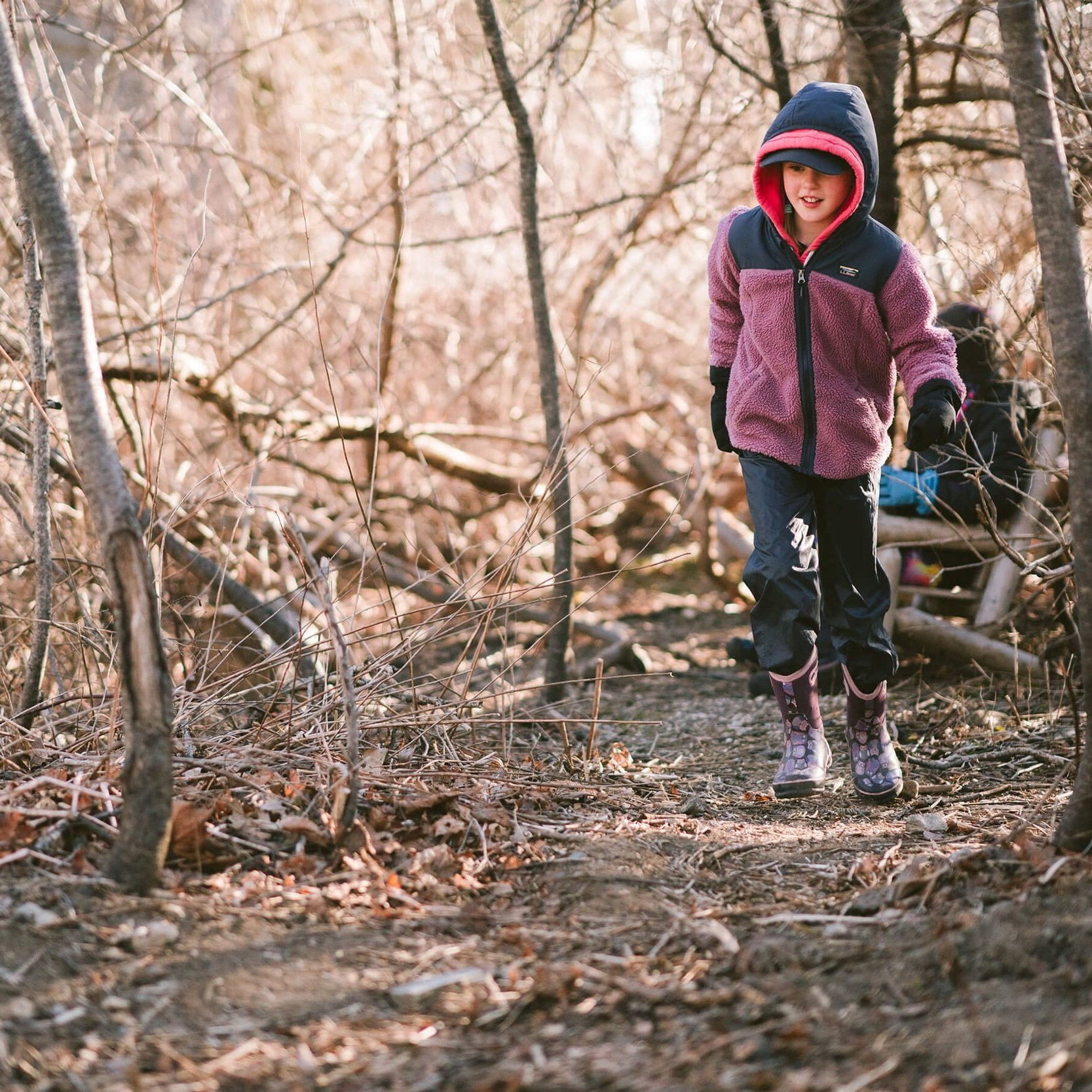
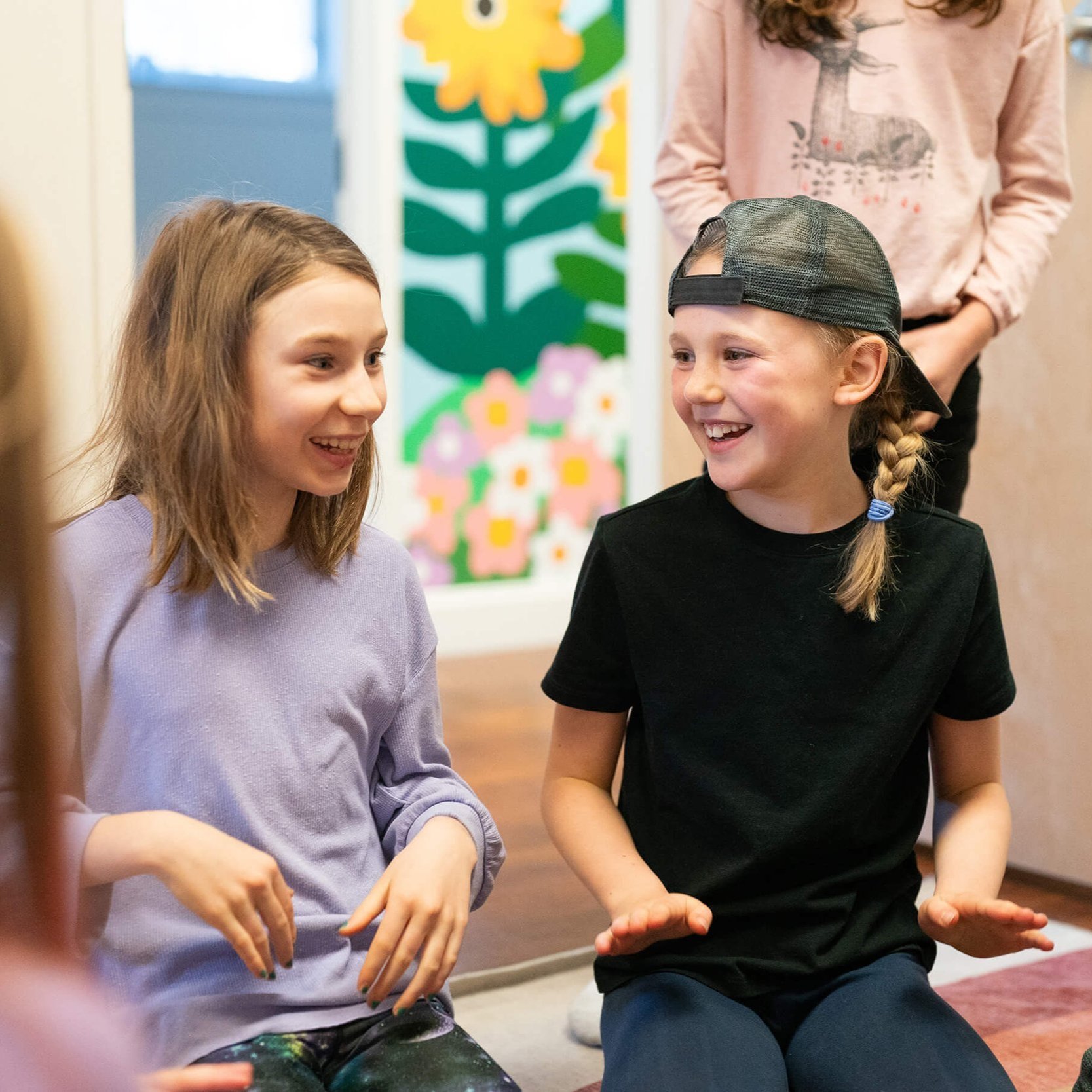
“Whether she is exploring the forest of Maine, focusing on Mindfulness, or learning with her lovely classmates, my daughter has never been happier. She has gone from surviving in school, to thriving.”
— ALLIE, Roots Parent

What Learning Looks Like in Our Private Lower Elementary Program
Practical Life and Connection to Place

Central to the life of our Lower Elementary community is the development of Practical Life Skills and a deep connection to place. Before beginning academic work, children are invited to understand their physical environment and their role within it. Practical life is part of the natural rhythm of our classroom. Students care for plants, materials, and shared spaces, learning that they contribute meaningfully to the wellbeing of their community.
Our place-based approach to learning is equally important. Children spend one full day each week off campus, experiencing the wider world as an extension of the classroom. Some days take us into the woods or along the shoreline. Other days lead us into the heart of our community, where students visit local businesses, food banks, performances, and organizations that help them see how people work, create, and support one another. These experiences ground learning in real life and help children develop a sense of connection and responsibility to the world around them.
Our study of People and Places reflects this same commitment. Through integrated social studies, geography, and science, students begin with an understanding of the land itself and an appreciation for the Indigenous peoples who have lived here for countless generations. Beginning with this perspective helps children see places and people as whole and complex, rather than as stories centered on struggle or repair. Sharon Duncan of Waseca Biomes writes, “What if the first impression children received of their world was of land and ocean, mountains and deserts, forests and grasslands, wetlands and frozen poles rather than abstract, divisive, political boundaries?”
This way of thinking guides our exploration of the elements, space, continents, and biomes, and the people, plants, and animals connected to each. Through this lens, students learn not only about the world, but also about their relationship to it.
Mathematics

Mathematics in our Lower Elementary program is taught through a clear, hands-on, and thoughtfully sequenced approach. We draw from Math With Confidence, a curriculum that blends concrete exploration with strong teacher guidance and an emphasis on mastery.
Children work with a wide variety of manipulatives such as counters, base-ten blocks, beads, cubes, number cards, ten-frames, and simple everyday items. These tools help students build a deep conceptual understanding of addition, subtraction, place value, measurement, and early fractions. Concepts are introduced through materials first, represented visually next, and eventually recorded abstractly on paper.
Alongside this structure, students also engage in Building Thinking Classrooms practices. These experiences invite children to solve problems collaboratively, share their strategies, and learn from one another. Whether working at vertical surfaces, talking through approaches with partners, or exploring multiple pathways to a solution, students learn that math is not only about getting the right answer but about reasoning, collaborating, and making sense of ideas together.
This combination of sequenced instruction and open-ended problem solving helps children develop both confidence and flexibility as mathematicians. They strengthen foundational skills, deepen their critical thinking, and learn how to communicate their ideas clearly. Mathematical thinking also shows up in daily life at Roots through cooking, building, observing the natural world, and encountering real problems that require creative solutions.
This balanced, grounded approach fosters accuracy, curiosity, and a genuine love of mathematical thinking.
Literacy
Literacy at Roots Academy is grounded in the Science of Reading and the broader research on how children learn to process language, make meaning, and express their ideas. We want children to not only become confident readers and writers but to understand the power of language as a tool for connection, curiosity, and thoughtful engagement with the world.
Students begin with explicit, systematic instruction in phonemic awareness, phonics, spelling, and high-frequency words. They use high-quality decodable texts to build accuracy and confidence, moving at a pace that matches their individual needs. As skills develop, learners transition into rich literature across genres, where they practice fluency, vocabulary, and deeper comprehension. Reading and writing are woven into our place-based and project-based work so that language feels purposeful and connected to the real experiences children are having each day.
Writing instruction is similarly intentional. Students participate in shared writing, modeled writing, sentence and paragraph construction, and opportunities for authentic expression. They write to tell stories, record observations, explain their thinking, and reflect on their experiences in nature and community.
Throughout the day, students encounter language in many forms: read-alouds, independent reading, oral storytelling, journaling, and content-based reading tied to science and social studies. Sensory and movement-based tools are also available for students who benefit from extra support with attention, regulation, or fine-motor development.
Our literacy curriculum draws from Waseca Biomes, Flyleaf Publishing, and a wide range of diverse, high-interest texts. More importantly, it reflects our belief that every child deserves the chance to feel capable, engaged, and connected as they grow as readers and writers.

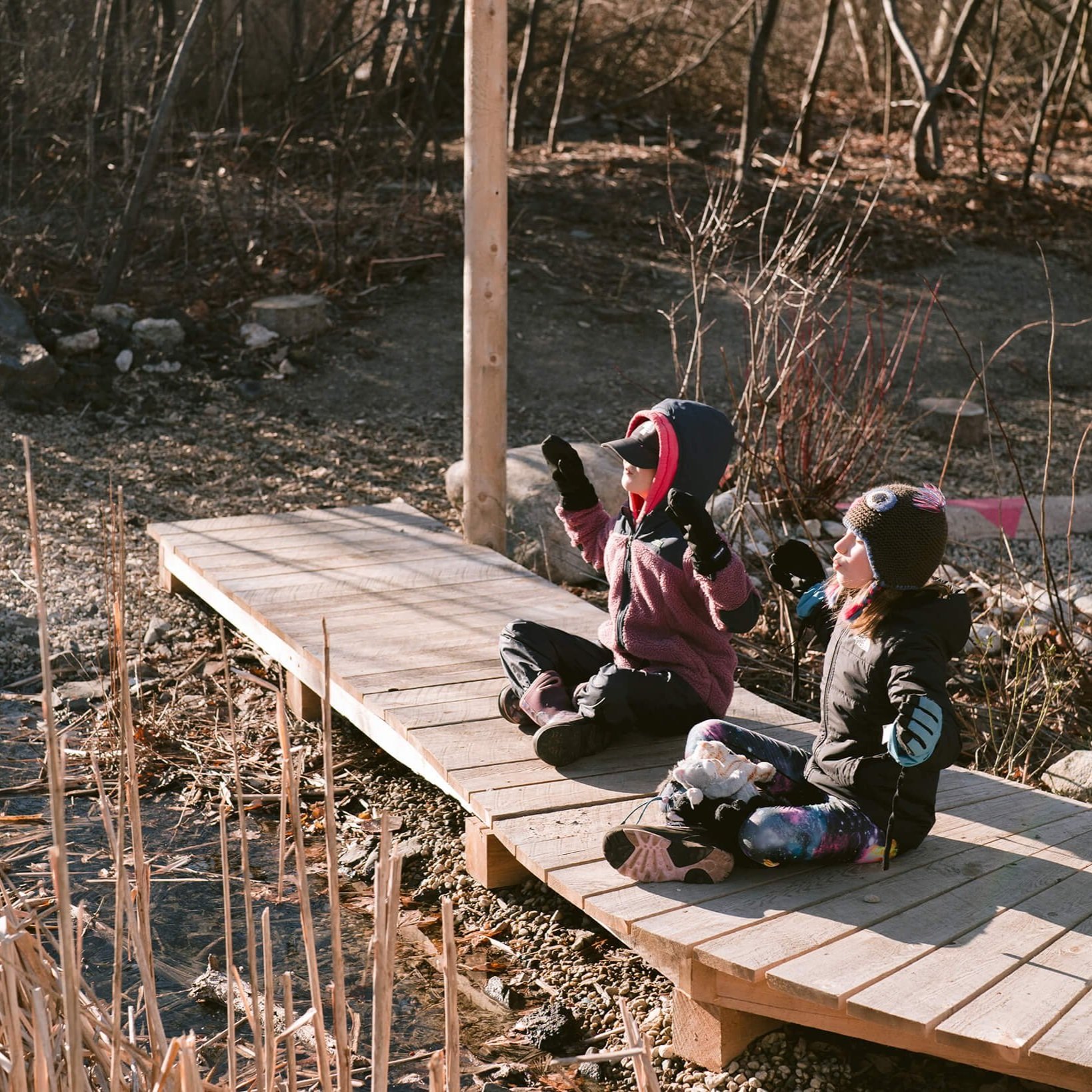
Our Elementary Yoga + Mindfulness curriculum, created to encourage self awareness and community, is woven throughout each and everyday. The hope is not to have students who can “perform a pose”, but rather provide children with tools to recognize and regulate the way they are feeling in any given moment. We believe feeling confident and secure in our own bodies better enables us to meet others with the same compassion and openness. Students will gather in circle at the beginning and end of each day to greet one another, share, have a mindful moment guided by teacher or peer, and set expectations for the days learning. Regularly scheduled “brain breaks” offer students an opportunity to reflect quietly or move and engage with a variety of materials to help ground them in the present moment. Outside of our daily practices, students will participate in yoga + movement classes, both indoors and out, throughout their week.
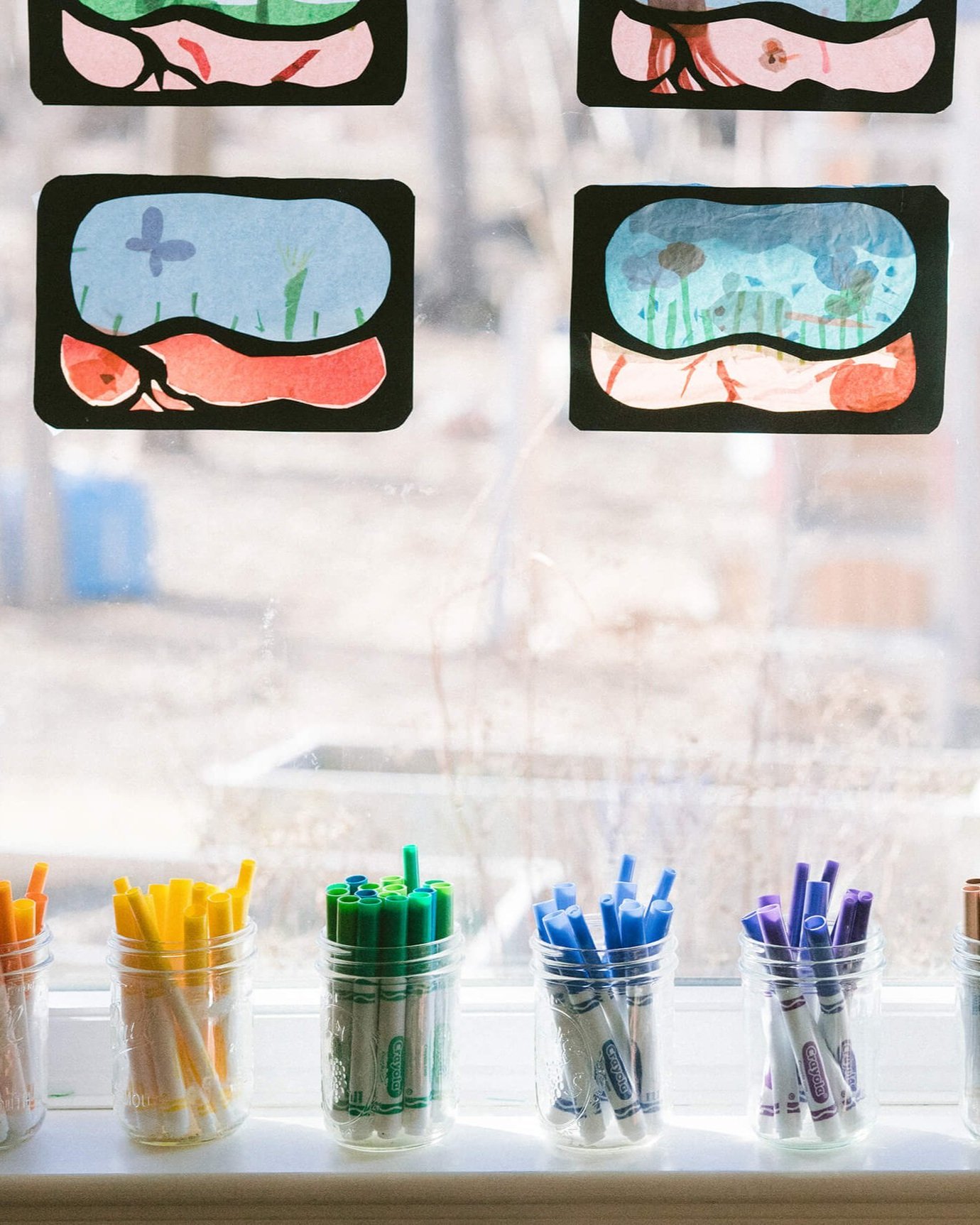
Our Makers Space and Art area offers ample time and inspiration for creative expression. The ability to create, and express oneself freely, opens the door for sharing deeper parts of ourselves, supports problem solving, and helps to create an appreciation for all of the different voices within our class and community - both locally and globally. We utilize mediums such as water color, collage, clay, paper mache, and more to support our students understanding of all subject matter.
Tying all of the above together, is a deep respect for our community and the world around us. An introduction to the principles of Sustainability begins immediately when your child steps foot on our campus in the way we recycle, compost, garden, and use the resource we have at our disposal responsibly. Never taking more then we need, investigating nature respectfully, and being good stewards of the environment are important concepts in our Elementary Program. Outside of these daily practices on our physical campus, we invite students to put these skills and their classroom learning into action each Friday in the Field.