

Watch to discover a day in the life of our oldest learners at Roots Academy.
Reading + Writing
Our ELA program empowers students to think critically, express creatively, and connect deeply with the world around them. Through thought-provoking literature discussions and immersive writing workshops, learners build empathy, refine their voice, and discover the transformitive power of storytelling.
Literature Circle
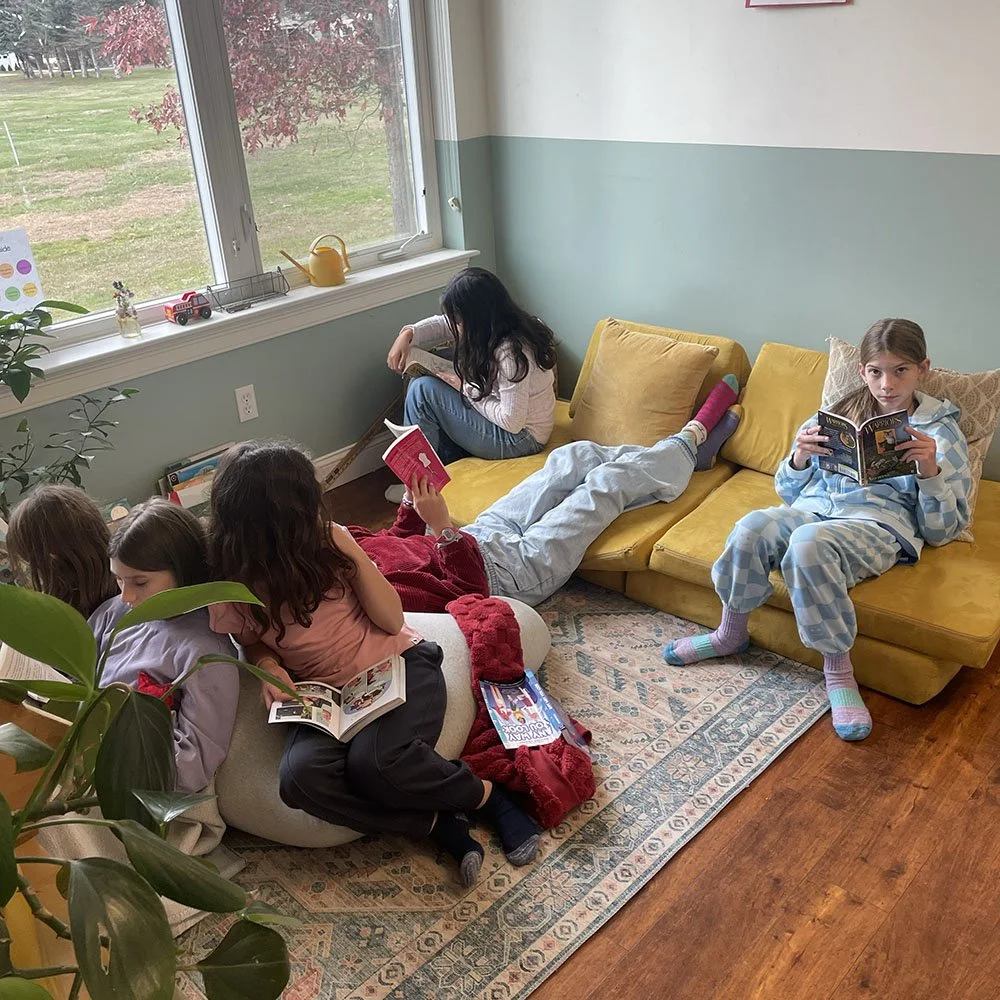
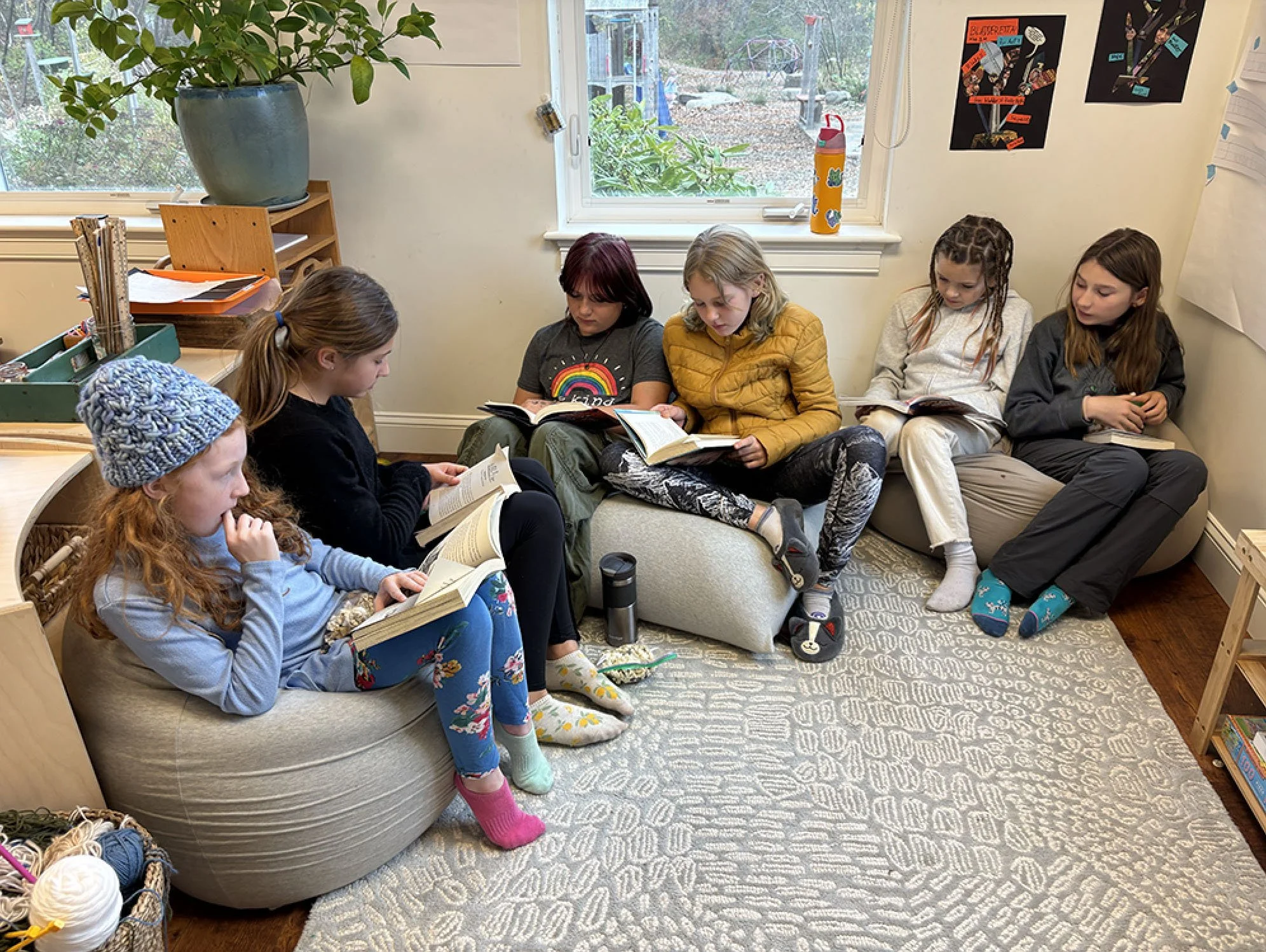
Literature Circle offers students an engaging and thought-provoking opportunity to delve into a diverse range of rich literary selections. Through carefully curated texts, students explore complex narratives, compelling characters, and meaningful themes that stretch their understanding of the world and their place within it.
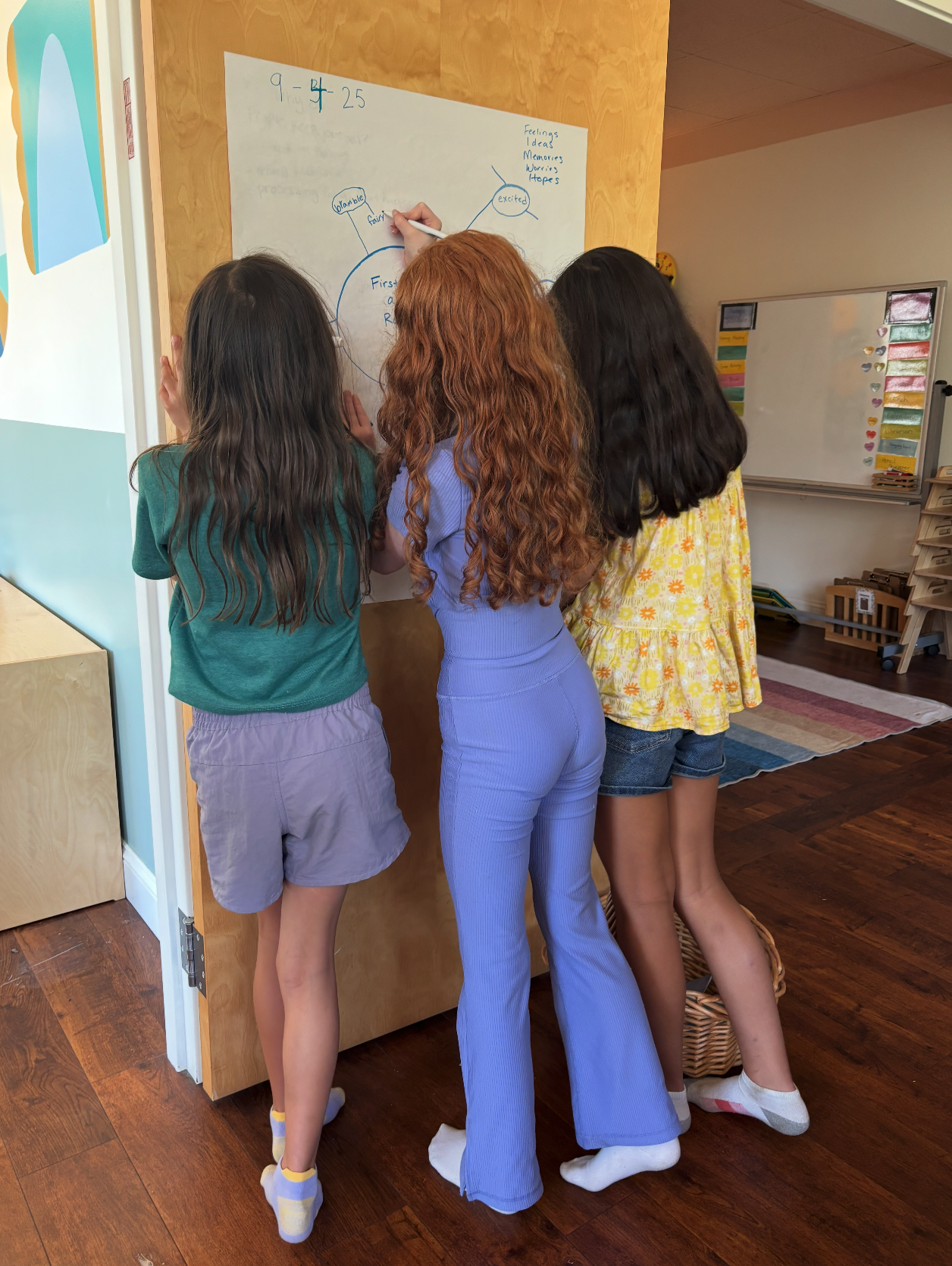
In each session, students come together to discuss literary and thematic elements such as symbolism, perspective, and the author’s intent, which often spark deep, philosophical conversations about life, identity, and values. These discussions encourage students to think critically, articulate their ideas, and consider multiple viewpoints, fostering a sense of empathy and intellectual curiosity.
The Literature Circle is more than a study of books—it is a space for students to reflect on the ways literature connects to their own experiences and to the broader human condition. Through these shared explorations, they develop a stronger appreciation for storytelling and its power to shape understanding, inspire action, and provoke meaningful dialogue about ways of being in the world.
Writing Workshop
Through a partnership with The Telling Room, Learners will participate in an intensive off campus workshop each week throughout the school year. This opportunity will have Roots students working directly with the talented staff and professional writers that call The Telling Room home, and exploring the types of writing in depth via a multi-sensory format designed to inspire a love of the written word and a deep understanding of the writing process in equal measure.
Students will hone their writing over the course of each thematic arc with an opportunity to share their piece as part of a show, published anthology, or via other unique mediums helping their voices and ideas reach a much wider audience.
Place Based Education
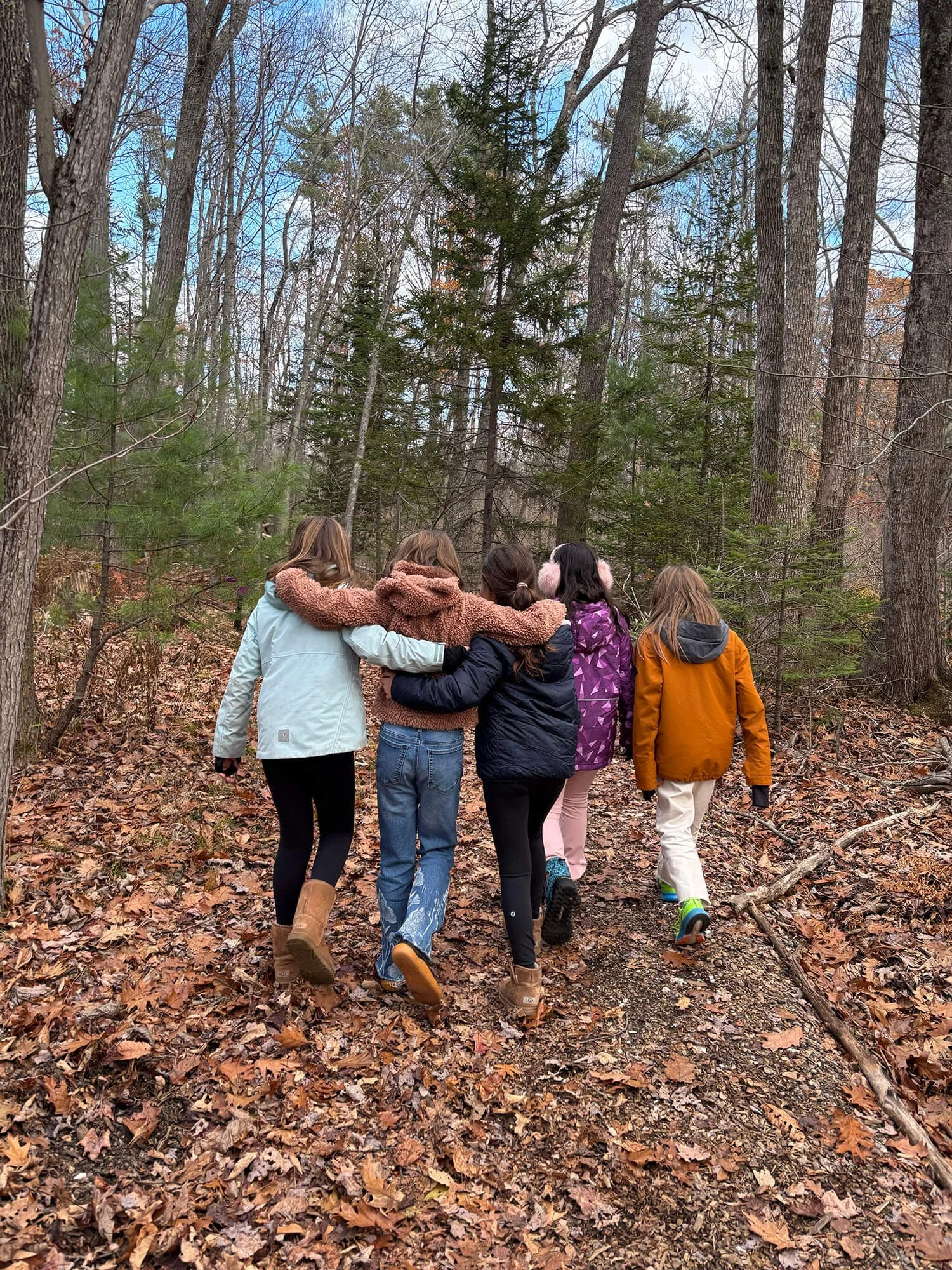
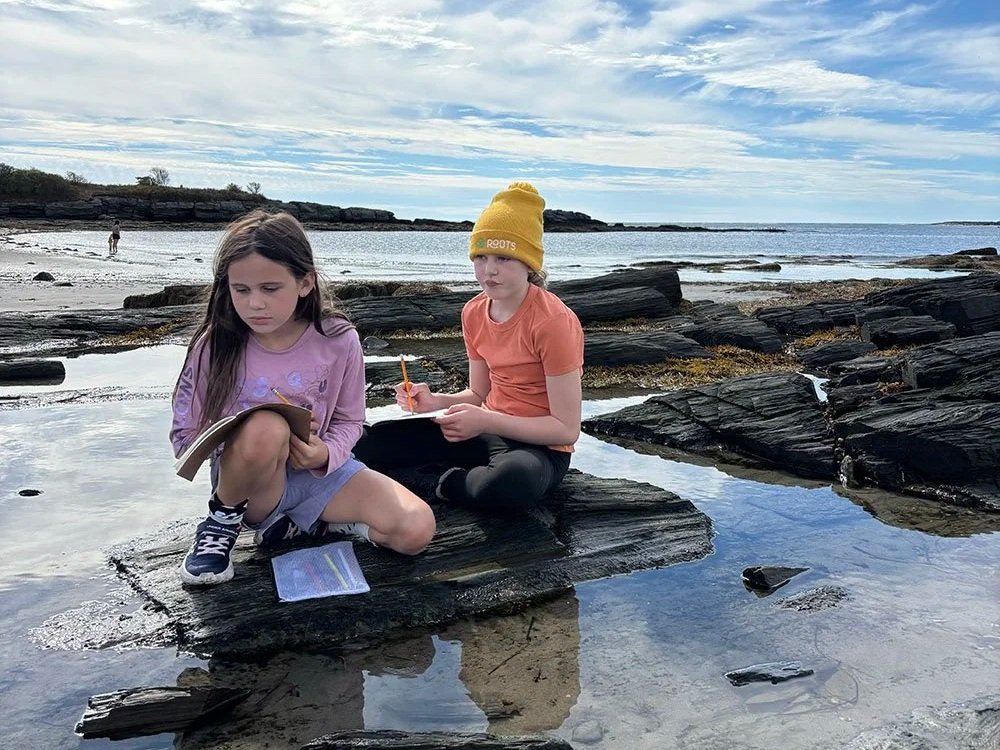
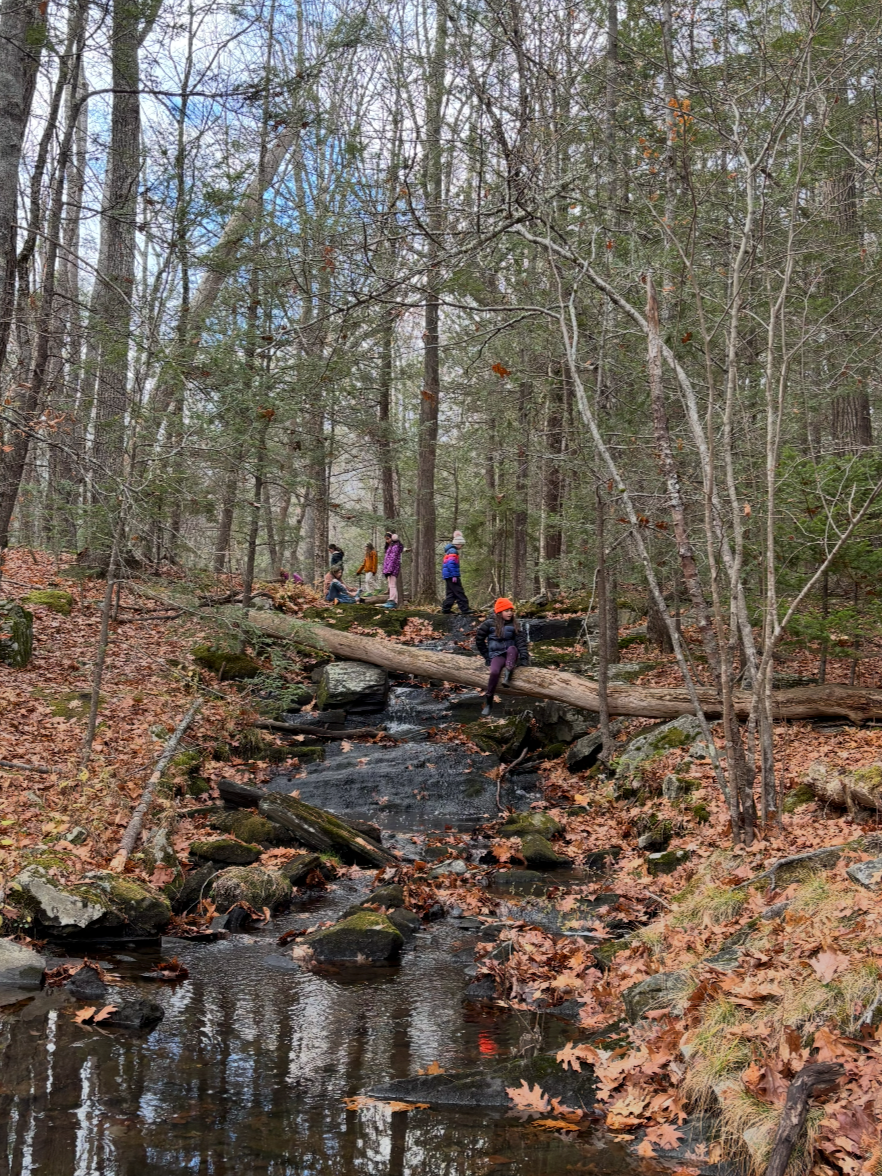
Place-based education at Roots grows directly from the way students have learned since their earliest years. From Kindergarten through Upper Elementary, learners develop habits of careful observation, curiosity, collaboration, and persistence through consistent engagement with the world around them. In Middle School, those habits become the foundation for rigorous scientific and mathematical work grounded in real experience.
Rather than studying concepts in isolation, students investigate real systems in familiar environments. They use the practices of science and engineering to ask questions, collect and analyze data, develop models, and refine solutions over time. Local ecosystems, community spaces, and regional challenges provide meaningful contexts for studying climate systems, energy, human impact, and sustainability.
This work is intentionally sustained. Students return to questions, data sets, and design challenges over weeks and months, building deeper understanding and stronger reasoning. Mathematical thinking and scientific inquiry are applied across disciplines, helping students see how data, models, and design inform real decisions in the world beyond school.
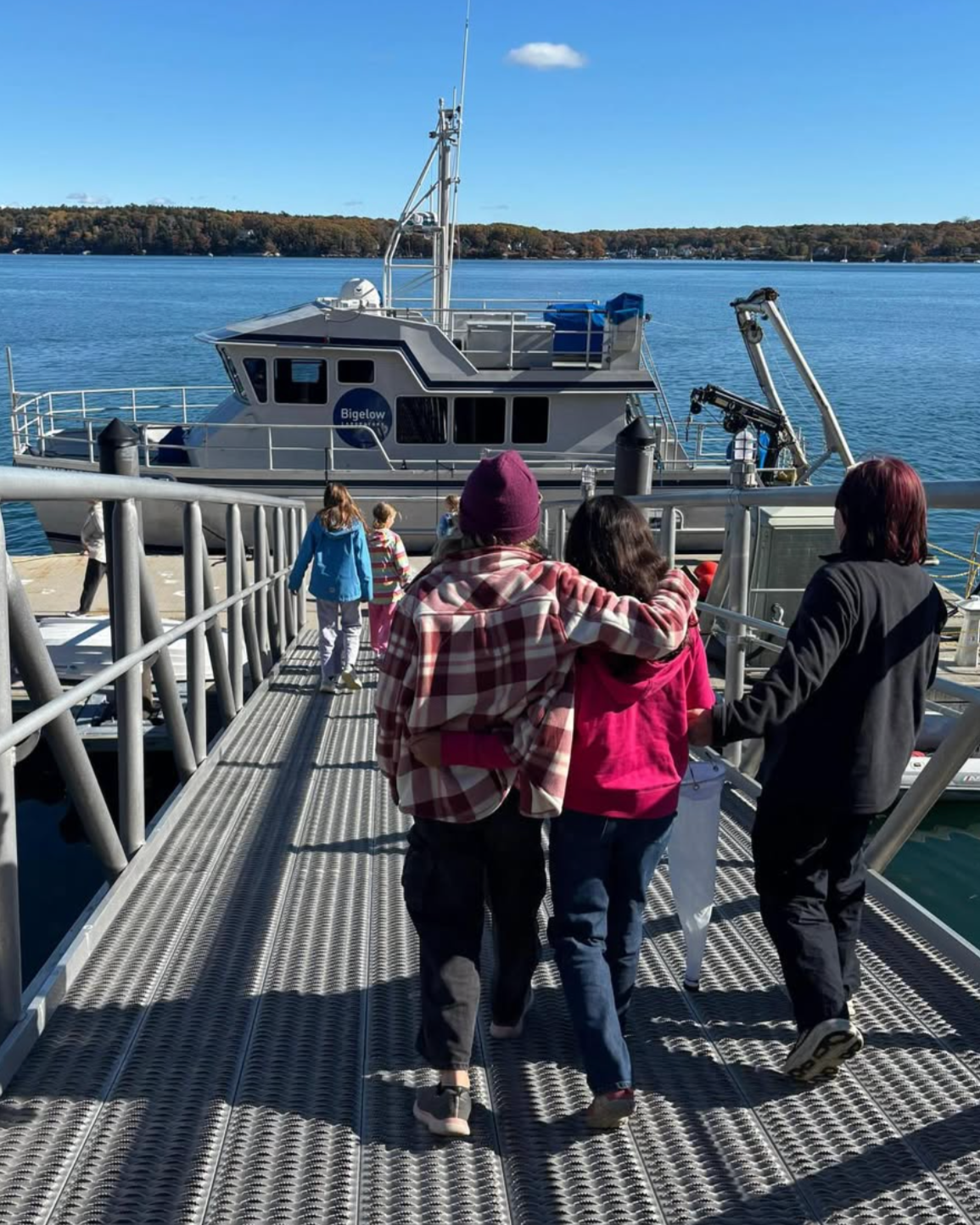
Middle School learners also connect with scientists and researchers through community partnerships, gaining exposure to how STEM work happens outside the classroom. Collaborations with Bigelow Laboratory for Ocean Sciences and Gulf of Maine Research Institute connect students to current research, data-driven inquiry, and environmental stewardship in our region.
By grounding learning in place, Roots Middle School prepares students for advanced STEM study while fostering a strong sense of responsibility and purpose. Students leave with confidence in their thinking, fluency in scientific and mathematical practices, and a clear understanding that their work has relevance beyond the classroom.
Science + Math
Scientific Thinking and Mathematical Reasoning are woven into everyday learning, encouraging students to explore, question, and problem-solve. Our approach emphasizes hands-on experiences, real-world applications, and interdisciplinary connections, fostering a deep understanding of concepts and their relevance beyond the classroom.
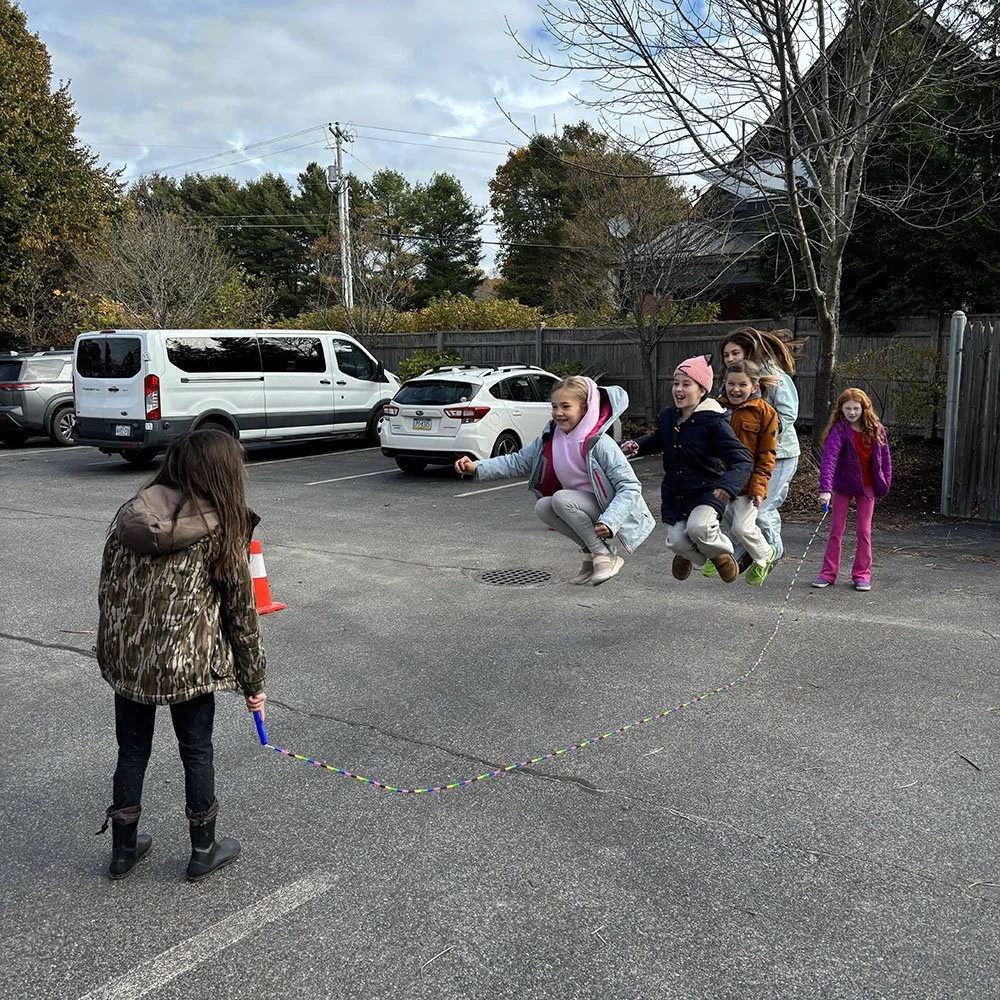
Students engage in inquiry-driven investigations, experiment design, and data analysis, developing critical thinking and logical reasoning skills. Whether calculating compost ratios in the garden or exploring the physics of motion in outdoor activities, learners apply math and science in meaningful contexts that inspire curiosity and innovation.
Food Education Seminar: Baking and Beyond
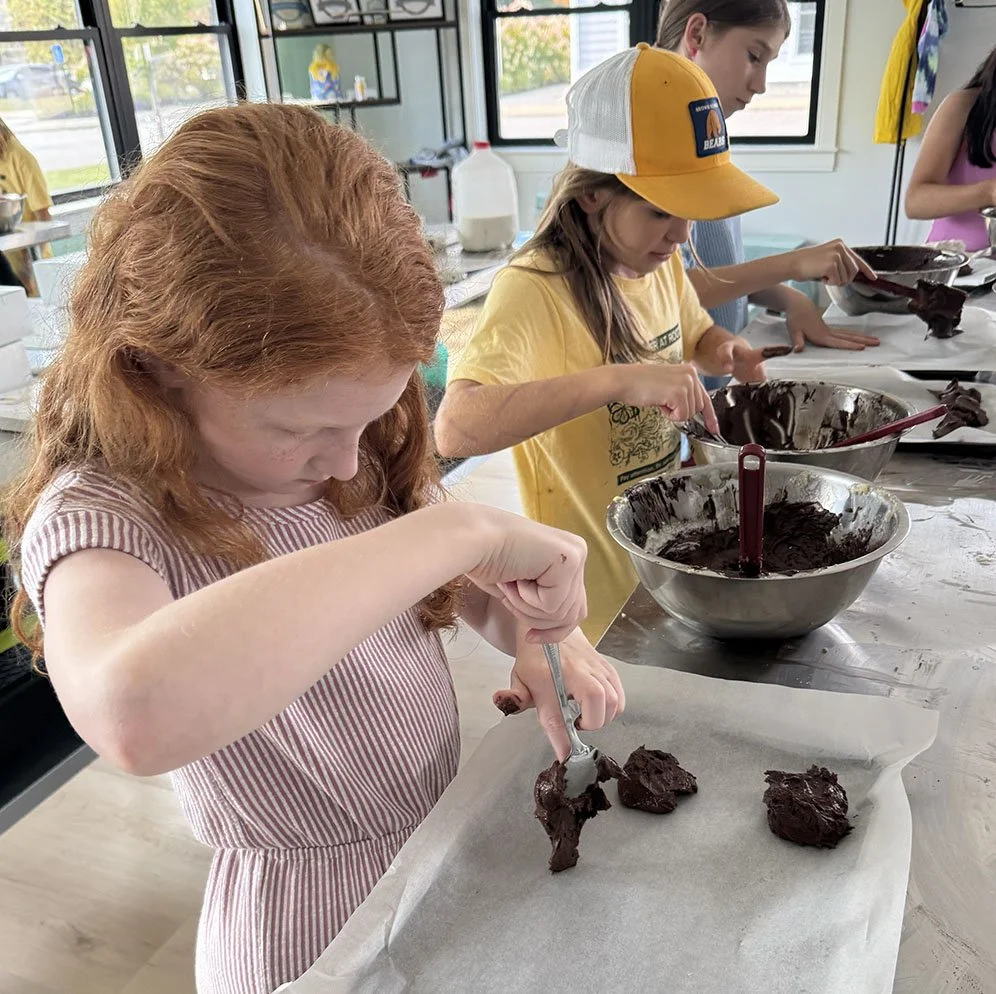
Middle school students participating in this year-long seminar, developed in partnership with Laura Petrolino of MePowered Pastries, will engage in a dynamic exploration of baking and its connections to key academic and life skills. Through hands-on learning experiences, students will:
Explore Chemistry and the Scientific Method: Investigate how ingredients interact at a molecular level and practice designing and analyzing experiments.
Apply Mathematics in Practical Contexts: Learn to scale recipes, calculate costs, and use precise measurements.
Strengthen Nonfiction Writing Skills: Create detailed recipe documentation, record experimental findings, and reflect on the learning process.
Understand Supply Chains and Sustainability: Examine how ingredients are sourced and their environmental impacts.
Develop and Refine Recipes: Experiment with creating and improving recipes while honing their culinary skills.
Students will also focus on interpersonal and evaluative skills by learning how to give and receive constructive feedback. This includes developing an understanding of the difference between personal preference (“this isn’t right for me”) and objective critique (“this is fundamentally incorrect”).
This seminar provides an interdisciplinary approachto food education, blending academic inquiry with practical application in a collaborative environment. Students will leave the course with a deeper appreciation for the science, creativity, and impact of baking.
People + Places
Roots Academy's Middle School People + Places curriculum integrates history, geography, and place-based studies to deepen students' understanding of the connections between people and the land. Building on earlier studies of biomes and the historical movements of populations, this curriculum encourages students to explore the dynamic interplay between environment, culture, and human impact.
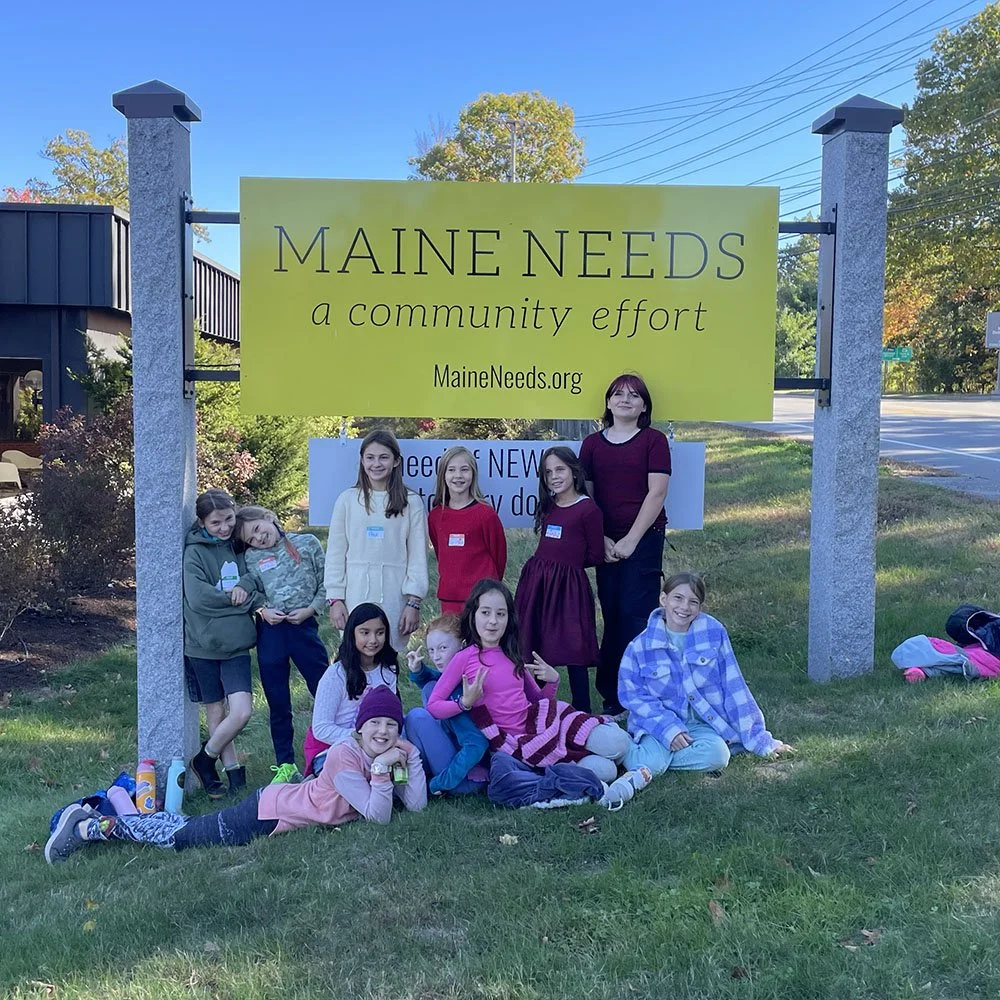
With a focus on active participation, students harness their developing skills in writing and math to contribute to meaningful community work, applying their learning to real-world challenges and projects that foster a sense of agency and connection to their local and global communities.
Citizen Science Initiatives
Overnight Adventures
Project Based Learning
Place-Based Middle School… for the whole child.
Adventure Sports
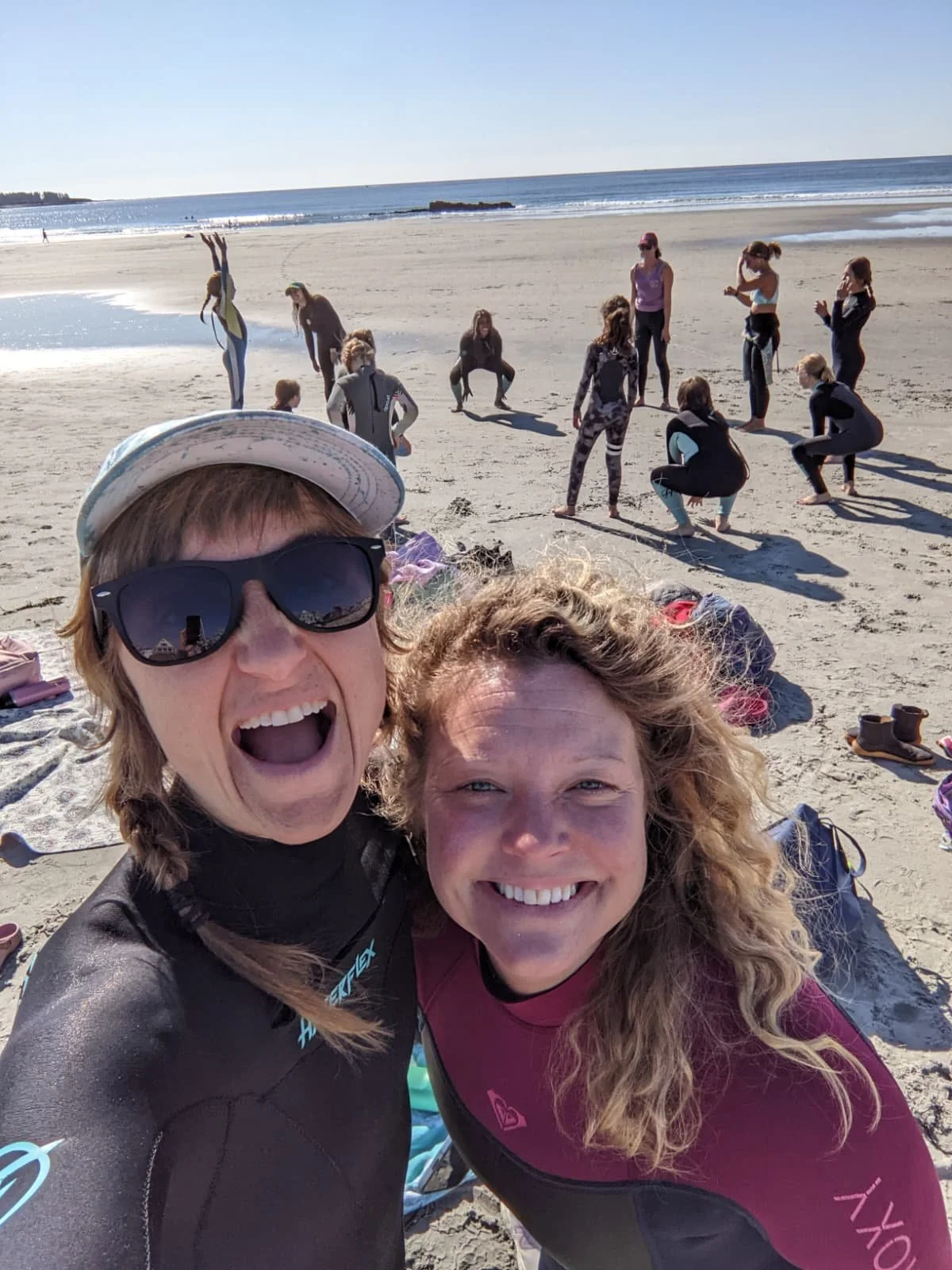
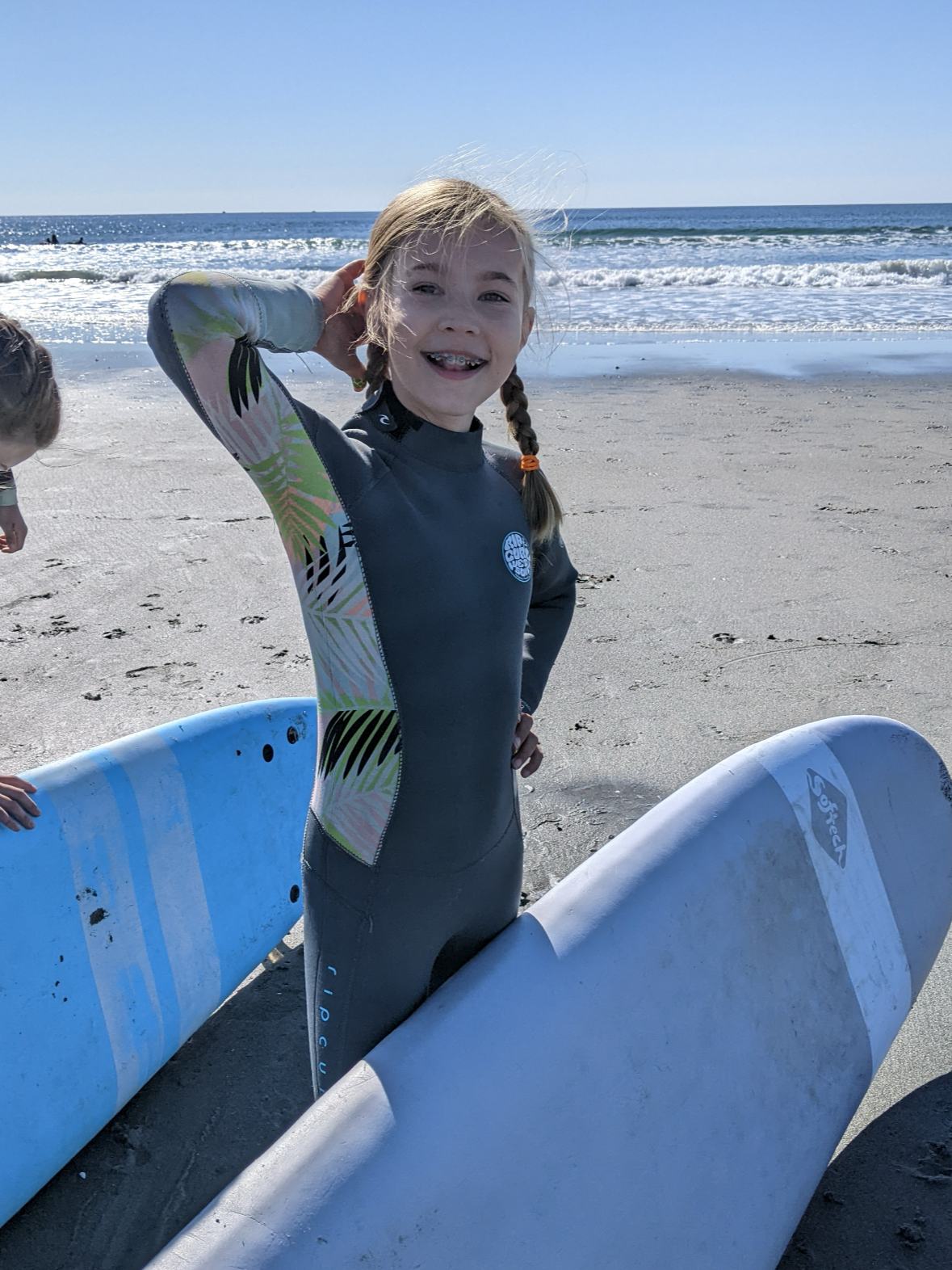
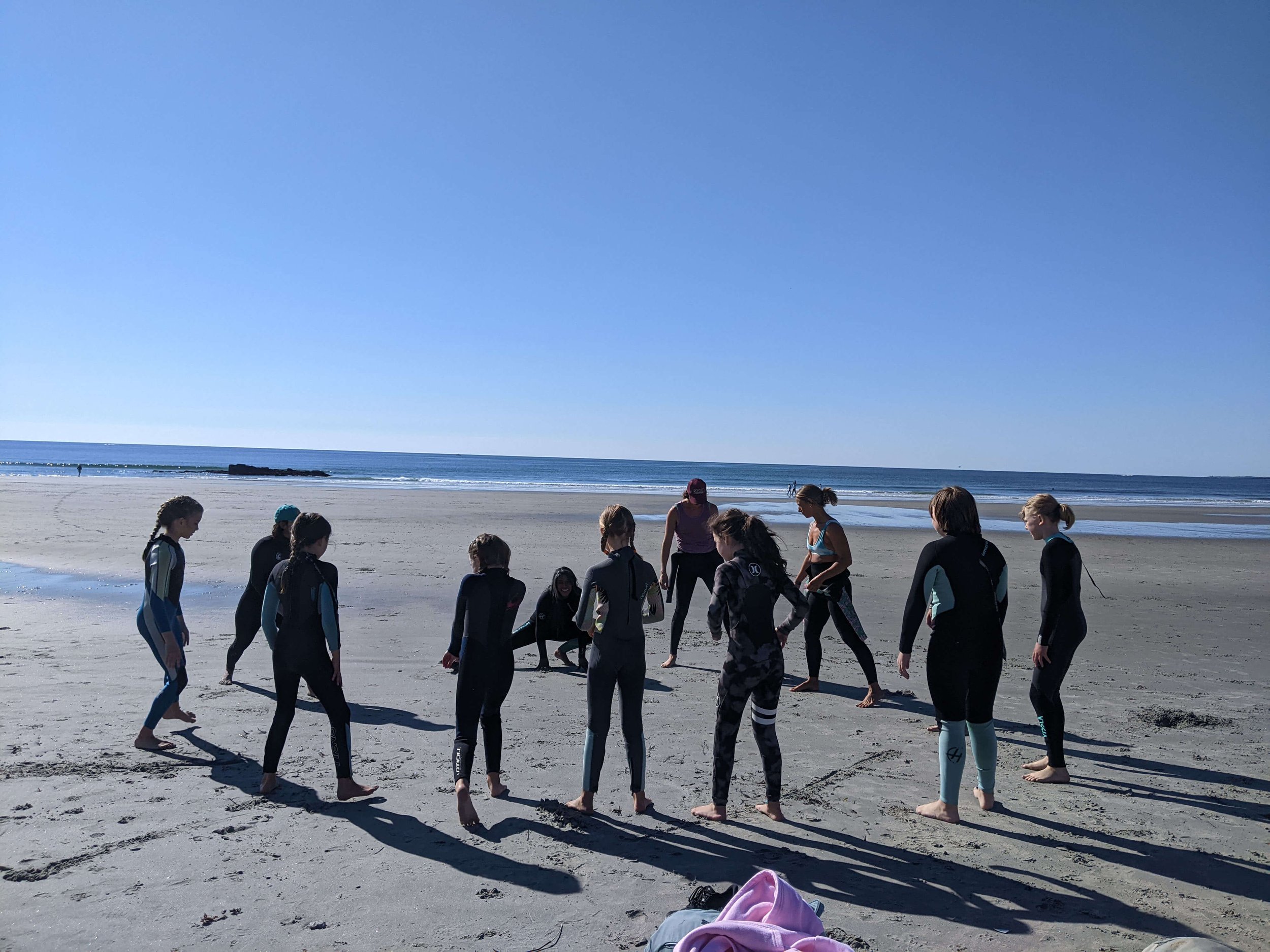
Adventure sports like hiking, surfing, and mountain biking are integral to our Middle School program, offering students opportunities to build skills progressively at their own pace within a supportive community. These activities encourage personal growth, resilience, and teamwork, while providing lifelong outlets for physical and mental well-being.
Art + MUSIC
Art and music experiences in our Middle School program emphasize building foundational skills while fostering self-expression and creativity. Students connect with practicing artists and musicians who share their craft, offering inspiration and real-world insights into making a living doing what they love.
YOGA + MINDFULNESS
Yoga and mindfulness in our Middle School program build on students' foundation of caring for self and others. These practices expand to include developing effective tools for emotional regulation, fostering resilience, focus, and a deeper understanding of personal well-being.